
Advice from AGCO Technician Ashley Briggs on maintaining the cooling system to protect your machine and its performance.
Always check the coolant
It is important that the coolant level is checked so that the operator knows that there is enough coolant/antifreeze in the vehicle to start with. A lack of coolant could indicate a leak in the system.
Radiators and rubber pipework
Radiators and rubber pipework should be checked for leaks or damage as expanding frozen water can damage components in the cooling system. This is particularly true of radiators, which have a very small matrix of pipes that run through the cooling fins. It doesn’t take much to damage one.
Is your anti-freeze still up to the job?
The anti-freeze protection level should be checked with a hydrometer, which will measure the temperature that the coolant can withstand before it freezes. It is also worth mentioning that antifreeze will degrade over time, so although it was mixed at 50:50, if it is old antifreeze, it may not withstand the temperatures it was designed for. As a reference, an optimum system, mixed at 50:50, should withstand temperatures of -37°C before it begins to freeze.
QUALITY PARTS THAT LAST
FOR YOUR VALTRA
GET A FREE SMART CHECK
FOR YOUR VALTRA
About the author
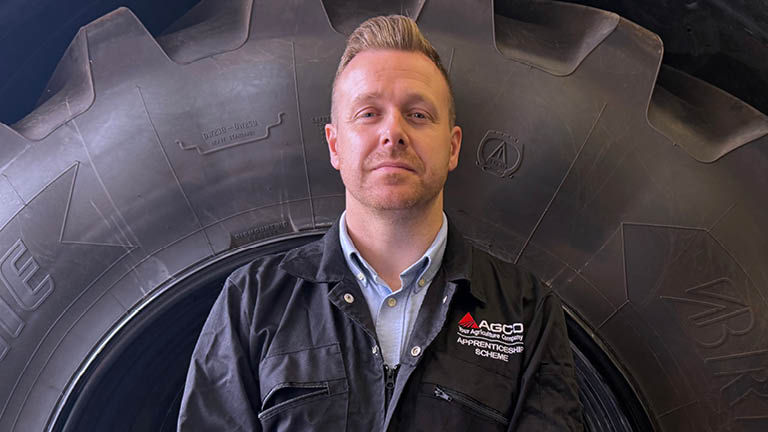
Ash Briggs has over 20 years of expertise in the automotive sector, having spent 15 years as a technician and auto-electrician before transitioning into technical training. He now leads the AGCO Apprenticeship Scheme for the UK & Ireland, where he’s spent the past 18 months dedicated to helping shape the next generation of agricultural engineers.